
Metal Roofing Services

What Is Metal Roofing?
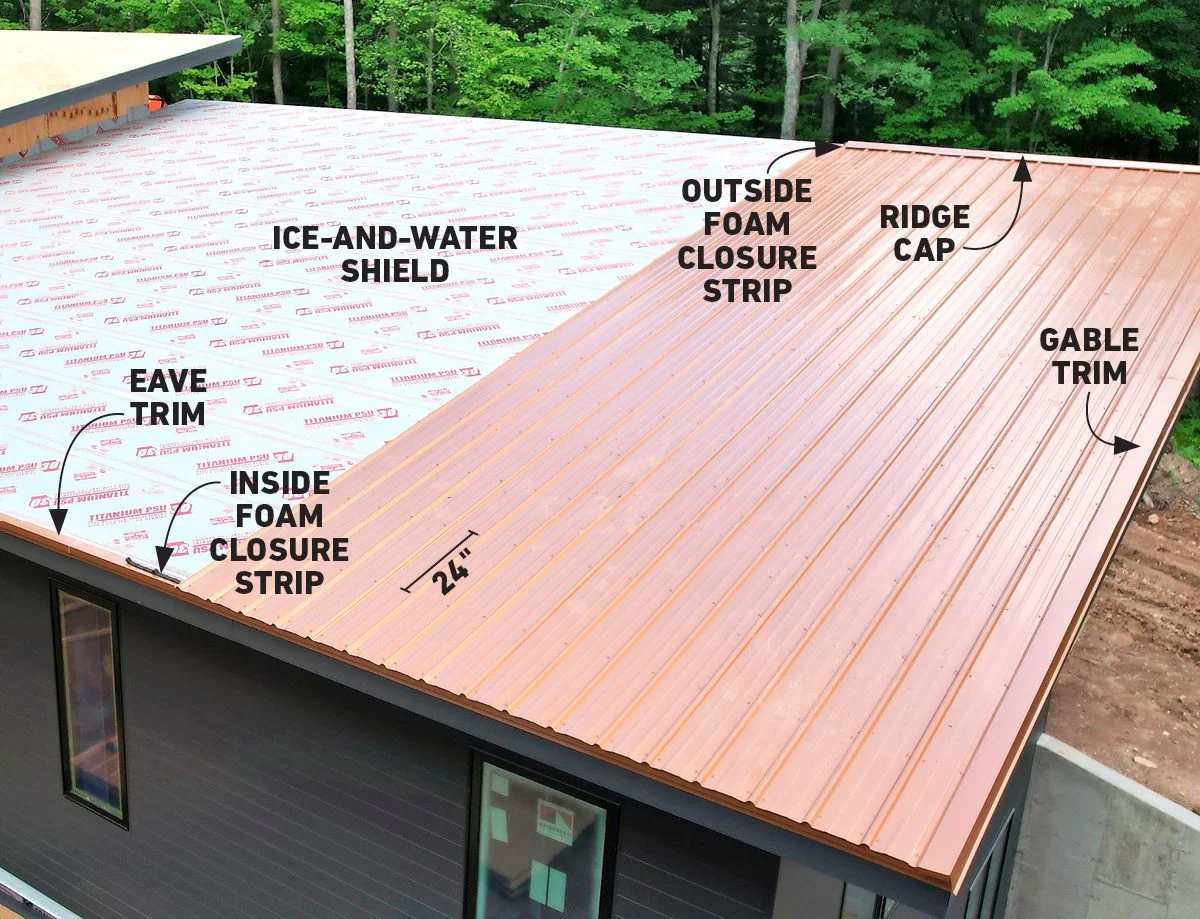
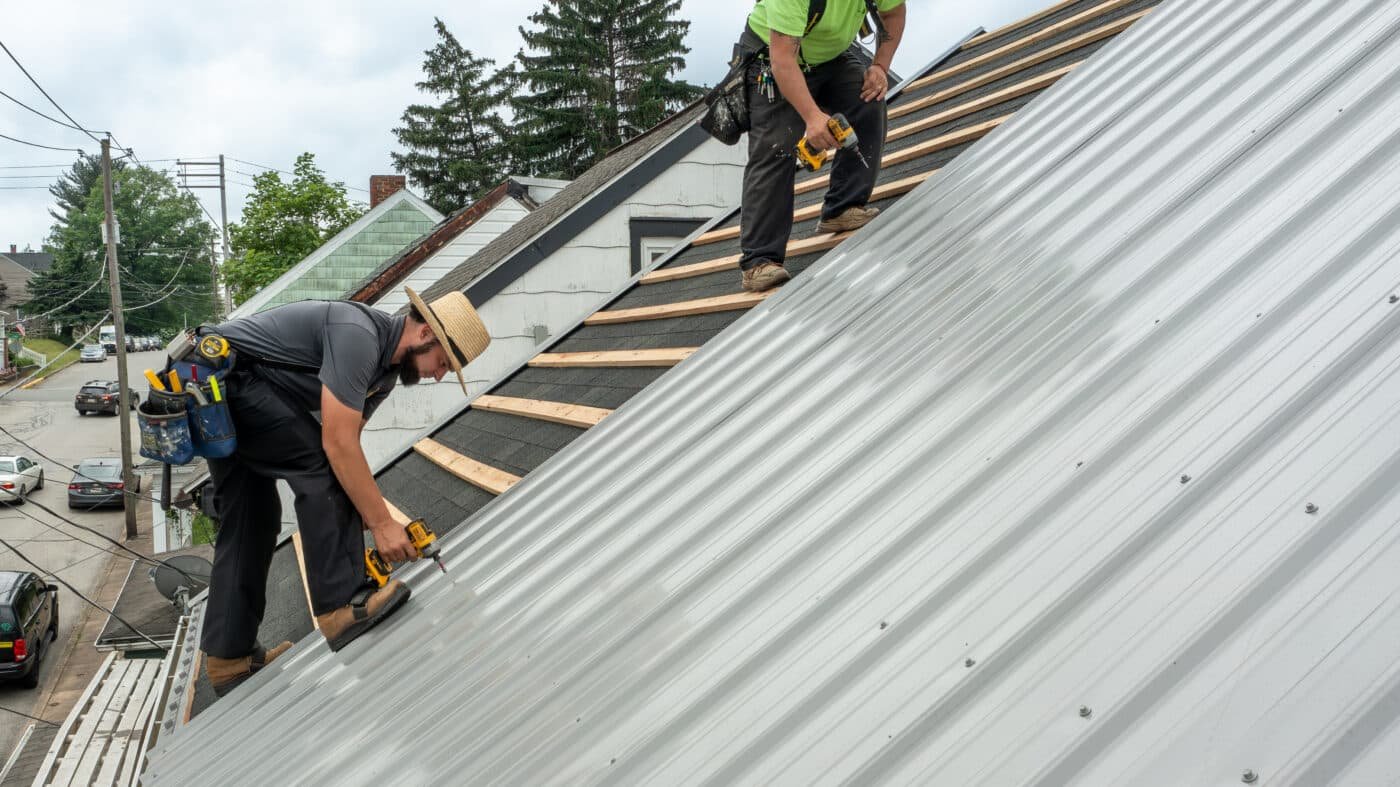
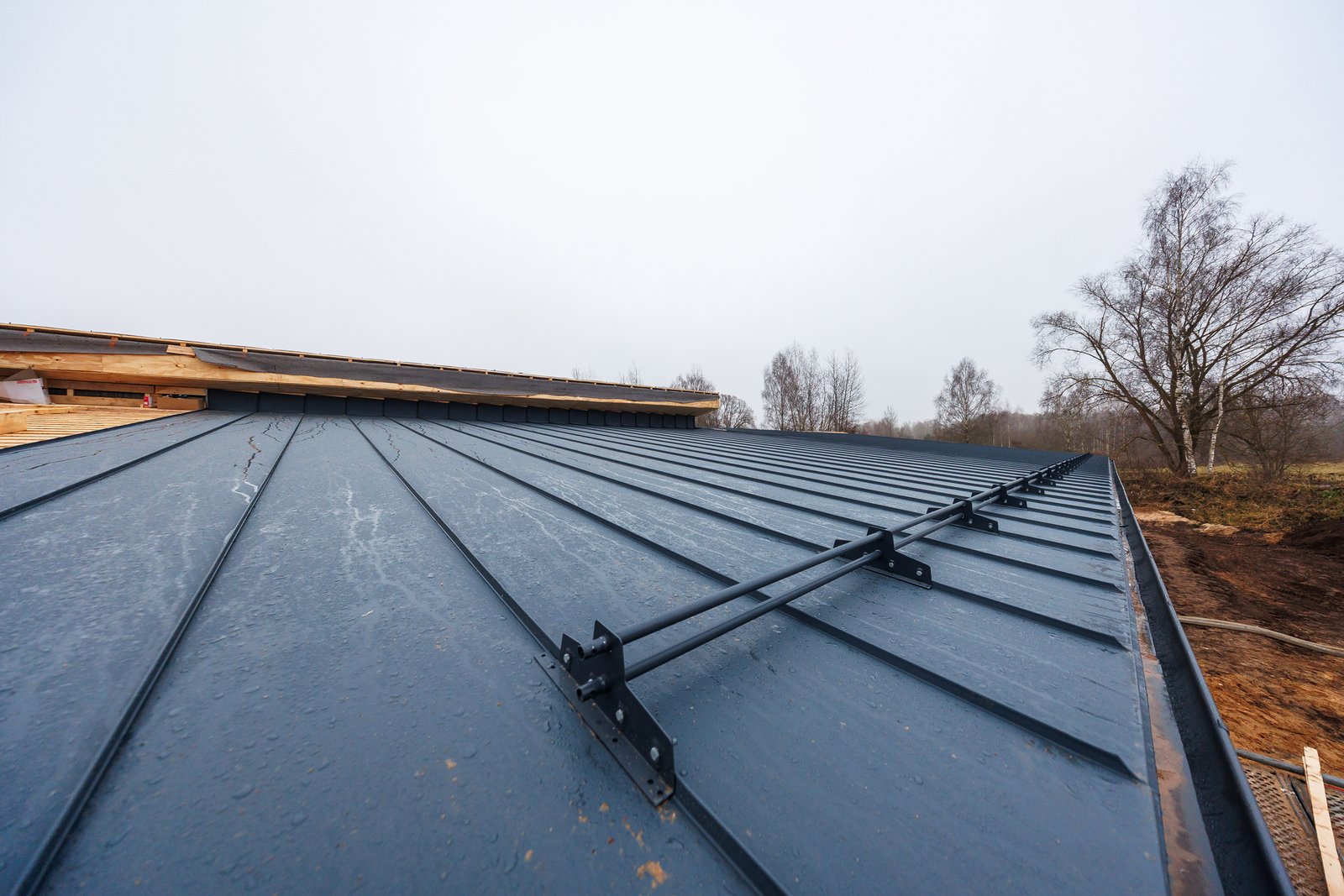
Metal roofing is constructed from steel, aluminum, or other metal panels that interlock or fasten together to form a continuous, weather resistant surface. Residential metal roofs are commonly installed as standing seam systems or metal shingles, depending on the design and performance requirements.
These systems are engineered to shed water efficiently, resist wind uplift, and handle temperature changes without cracking or breaking down.
Why Metal Roofing Is Important
Metal roofing offers performance advantages that traditional roofing materials cannot match.
A properly installed metal roof can:
Last 40 to 70 years or more
Resist wind, hail, fire, and extreme weather
Reflect heat and improve energy efficiency
Require minimal maintenance over time
Increase property value and curb appeal
Because metal roofing expands and contracts with temperature changes, proper installation is critical to avoid long term issues.
When to Call for Metal Roofing Services
Loose, separated, or oil canning panels
Panels that shift, separate, or show visible waviness may indicate improper fastening, thermal movement issues, or installation defects. These conditions can compromise water tightness and should be inspected early.
Fastener failure or exposed screws
On exposed fastener systems, screws can loosen or degrade over time. Failed fasteners create direct entry points for water and should be addressed promptly to prevent leaks.
Rust, corrosion, or coating failure
Protective coatings prevent metal from corroding. If rust spots, peeling finishes, or corrosion appear, the roof’s protective layer may be compromised, reducing its lifespan.
Leaking around penetrations, seams, or flashing
Most metal roof leaks occur at transitions such as chimneys, vents, skylights, or valleys. Damaged or improperly installed flashing can allow water intrusion even when panels remain intact.
Interior moisture or water stains
Ceiling stains or attic moisture often indicate a hidden leak. Metal roofs should shed water efficiently, so any interior moisture should be investigated immediately.
Storm damage from wind, hail, or debris
High winds can lift panels, hail can dent surfaces, and falling debris can damage seams or flashing. Post storm inspections help identify damage before it worsens.
Our Metal Roofing Process
1. Inspection and Assessment
We evaluate the existing roof structure, panel condition, fasteners, seams, and flashing.
2. Detailed Estimate
We determine the appropriate metal system, layout, and attachment method for long term performance.
3. Preparation and Installation
Old roofing is removed as needed, and the roof is prepared to receive the new system.
4. Precision Repairs or Installation
Panels are installed according to manufacturer specifications to ensure water tightness and durability.
5. Final Inspection and Cleanup
We review all work and leave the site clean and secure.
What to Expect From GC Morris
When you choose GC Morris Roofing and Contracting for metal roofing, you can expect:
Experienced installers familiar with metal systems
Proper handling of expansion and contraction
Attention to flashing and penetration details
Clean and organized job sites
Honest recommendations without pressure
We treat metal roofing as a precision system, not a one size fits all solution.