
Flat Roofing Services
What Is Flat Roofing?
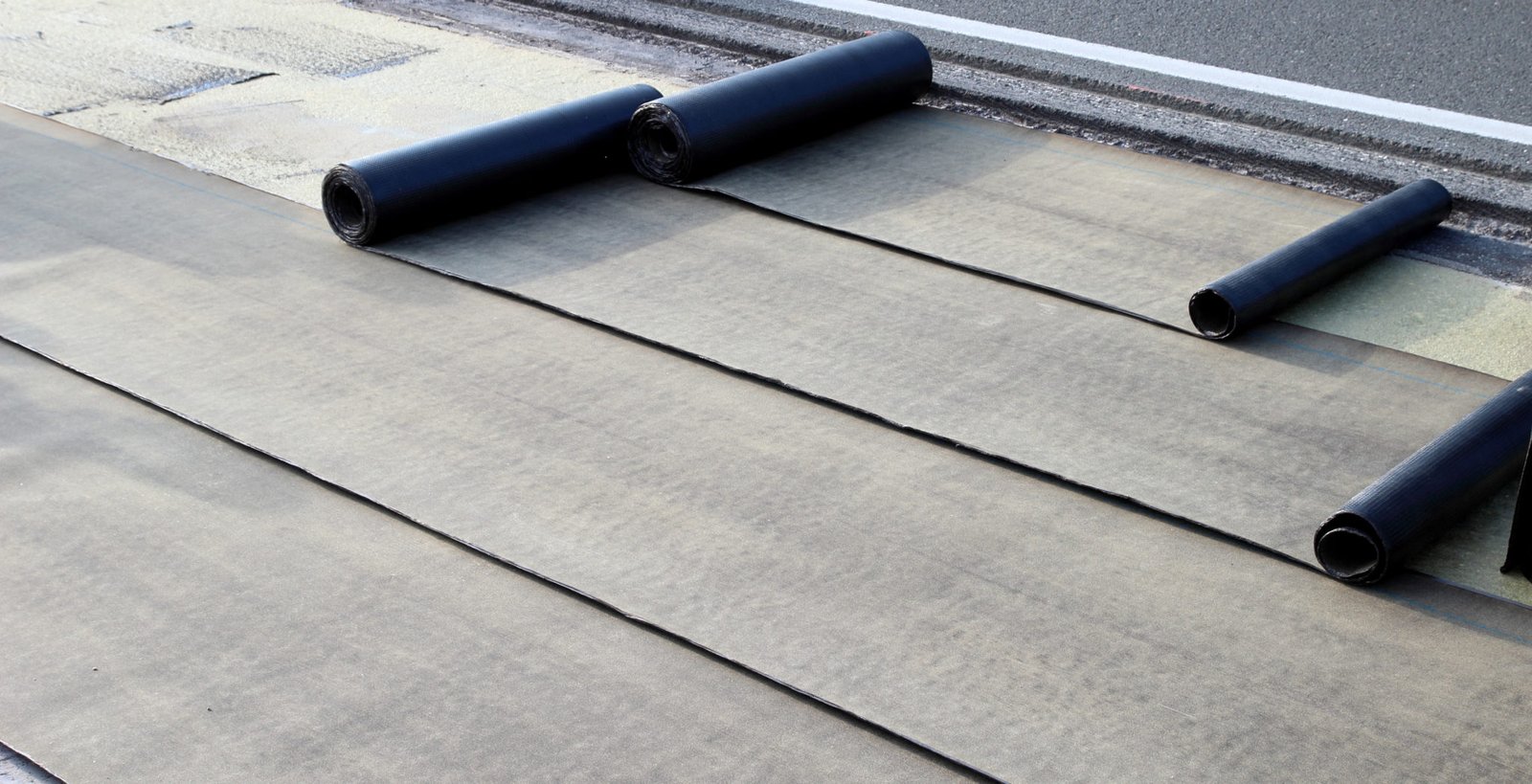
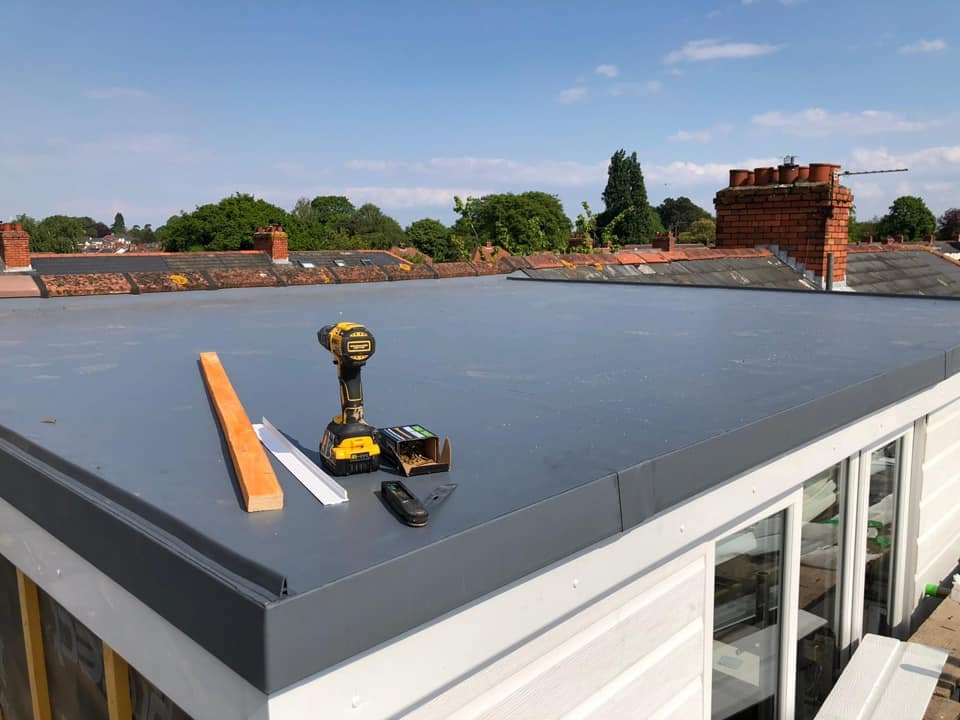
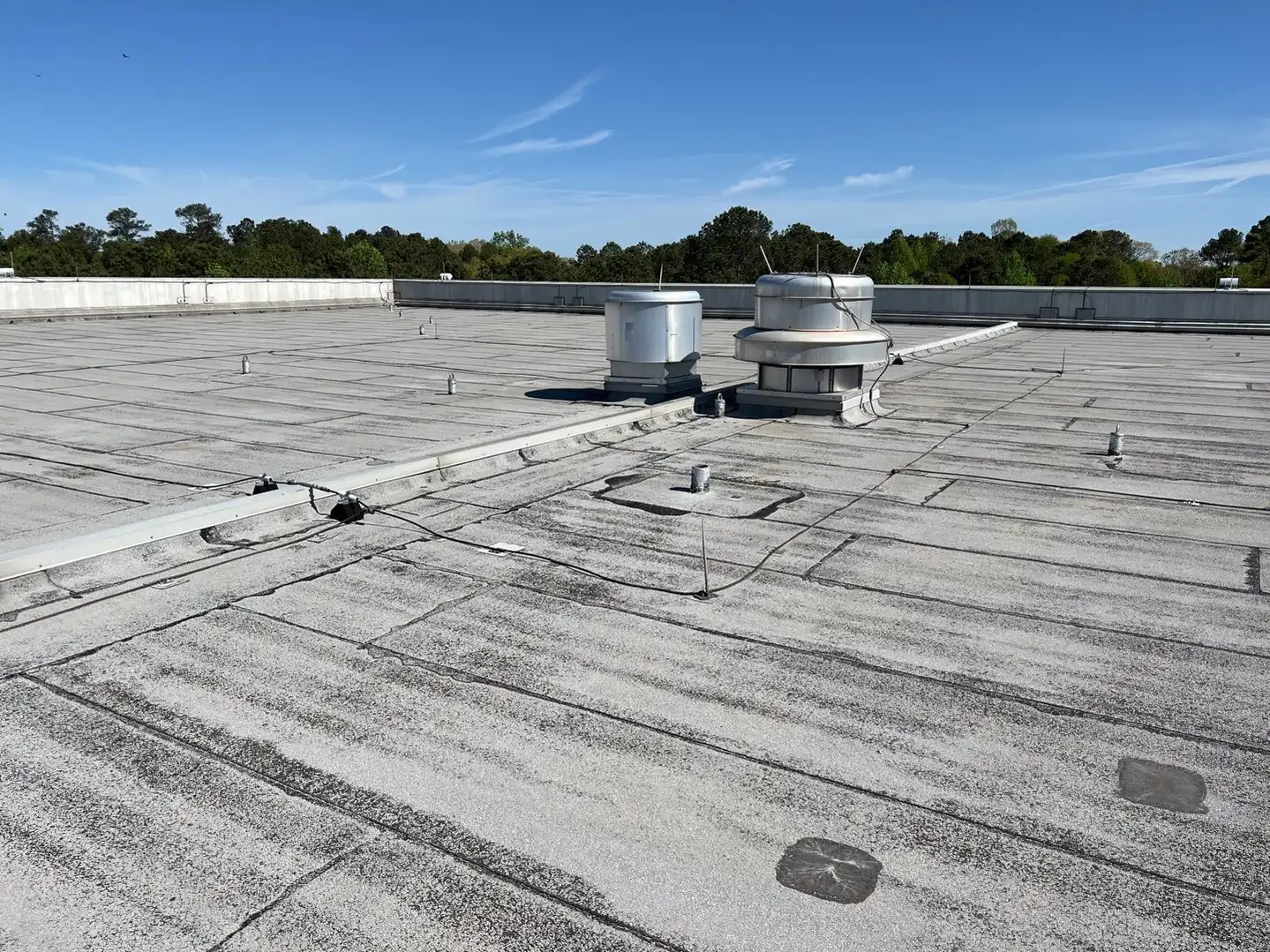
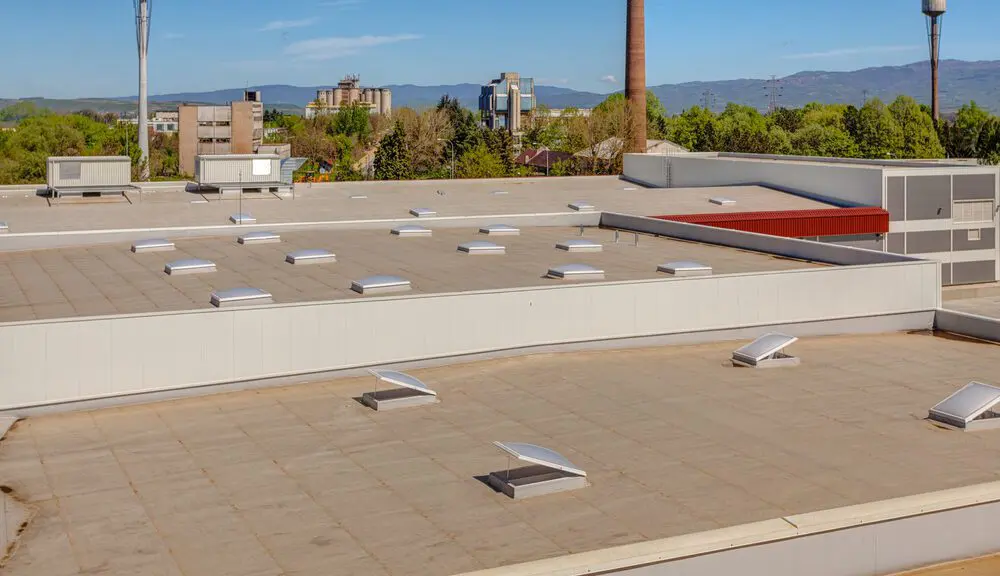
Flat roofing refers to low slope roof systems that rely on membranes rather than overlapping shingles or tiles. These systems are engineered to be water resistant and to move water efficiently toward drains or scuppers.
Common flat roofing materials include rubber membranes, modified bitumen, and other single ply or layered systems. Each material has specific installation and maintenance requirements that must be followed carefully.
Why Flat Roofing Is Important
Flat roofs protect large surface areas and often house mechanical equipment, making performance critical.
A properly installed flat roof helps:
Prevent standing water and leaks
Protect insulation and structural decking
Support rooftop equipment safely
Improve energy efficiency
Extend the lifespan of the building
Because flat roofs do not shed water as quickly as steep slope roofs, small issues can escalate quickly if ignored.
When to Call for Flat Roofing Services
Ponding water or areas that remain wet
Standing water after rain is a sign of drainage issues or sagging areas. Prolonged ponding accelerates membrane wear and increases the risk of leaks and structural damage.
Cracks, blisters, or bubbling in the roofing membrane
Blisters or bubbles often indicate trapped moisture or air beneath the membrane. Over time, these areas can split open, allowing water to penetrate the roofing system.
Seam separation or membrane lifting
Flat roofing systems rely on sealed seams for water resistance. If seams begin to separate or lift, water can infiltrate beneath the membrane and compromise insulation and decking.
Interior leaks, stains, or damp insulation
Water stains, ceiling damage, or wet insulation are signs that the flat roof system has been breached. These issues should be addressed immediately to prevent mold and structural deterioration.
Deteriorated flashing around edges, drains, or penetrations
Flashing protects vulnerable transition points. When flashing fails, water can enter the system even if the membrane itself remains intact.
Aging flat roof nearing the end of its service life
Most flat roofing systems have a defined lifespan depending on the material. Aging roofs should be inspected regularly to determine whether repairs or replacement are needed.
Our Flat Roofing Process
1. Inspection and Assessment
We assess the membrane, seams, flashing, drainage, insulation, and decking.
2. Planning and System Selection
We determine the most effective roofing system for your structure and usage.
3. Preparation and Removal
Existing roofing materials are removed or prepared as needed to ensure a stable base.
4. Professional Installation
Membranes are installed with attention to seams, edges, and penetrations to ensure water resistance.
5. Final Inspection and Cleanup
We review all work and ensure the site is left clean and secure.
What to Expect From GC Morris
When you choose GC Morris Roofing and Contracting for flat roofing services, you can expect:
Thorough inspections and honest assessments
Proper drainage and slope considerations
Quality materials installed to specification
Clean, organized job sites
Clear communication throughout the project
Flat roofing requires precision, and we take that responsibility seriously.