
Rubber Roofing Services
What Is Rubber Roofing?
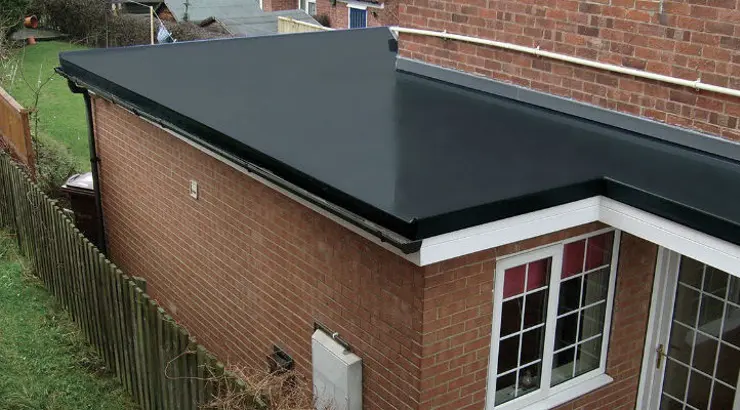
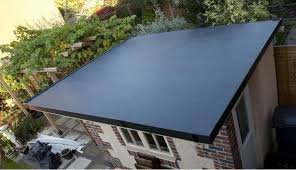
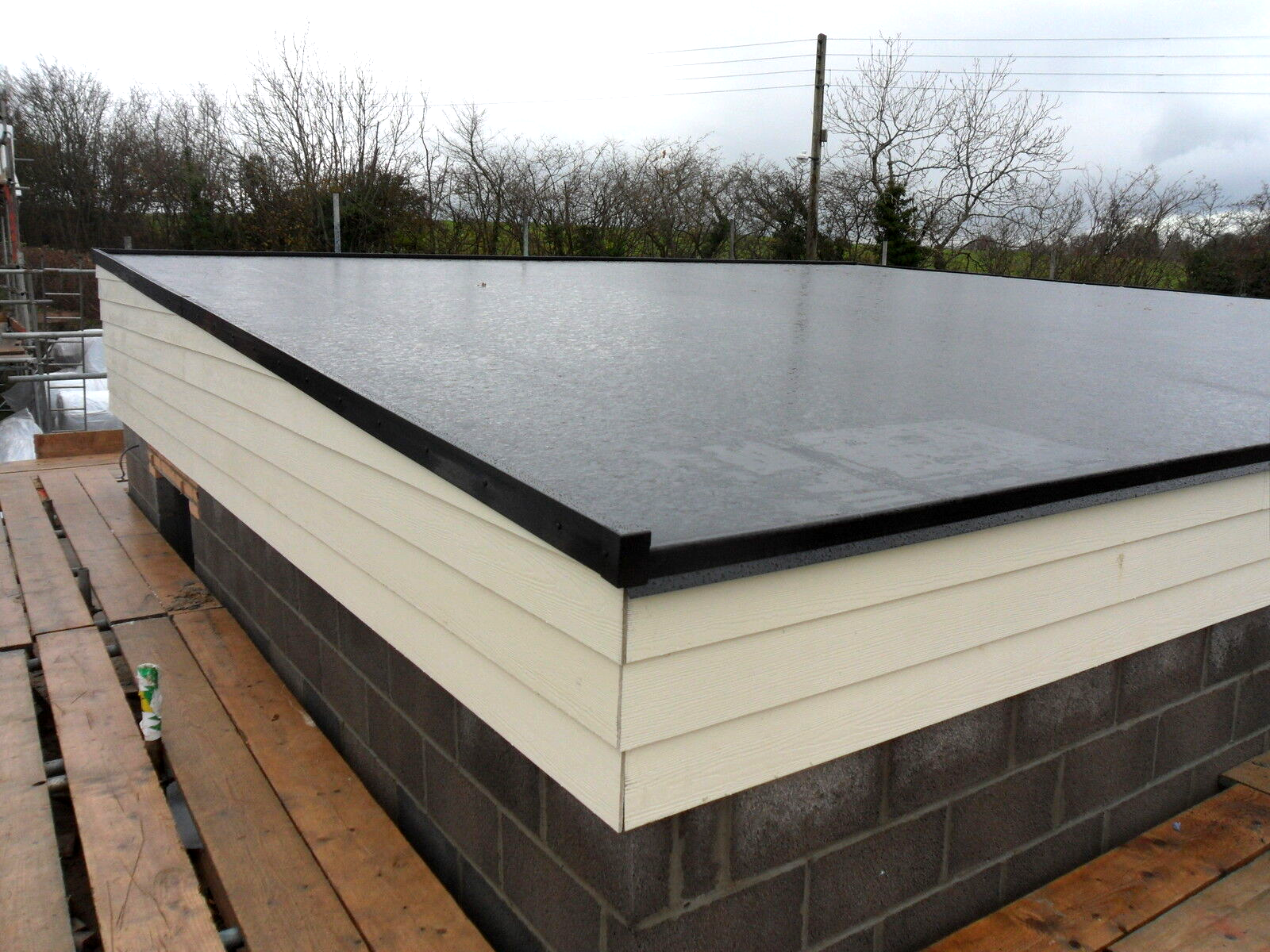
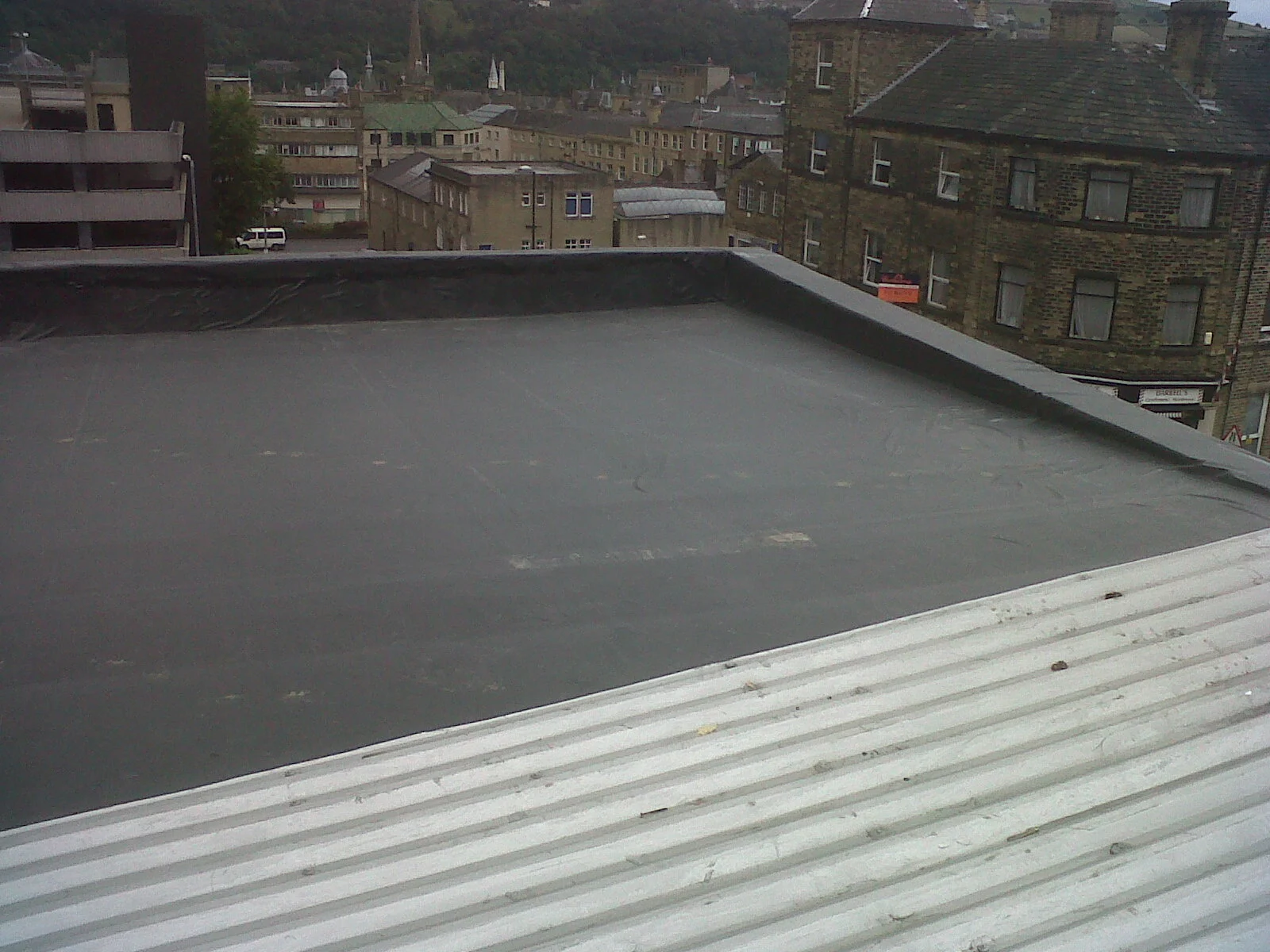
Rubber roofing is a durable, flexible roofing system commonly used on flat and low slope residential and commercial buildings. Most rubber roofs are made from EPDM or similar membrane materials designed to create a seamless, watertight barrier that protects against moisture, temperature changes, and structural movement.
Unlike traditional roofing materials, rubber roofing systems expand and contract with changing weather conditions, reducing stress on seams and flashings. When installed correctly, rubber roofing provides reliable, long term protection with minimal maintenance.
Why Rubber Roofing Is Important
A properly installed rubber roof does more than keep water out. It protects the structure below, prevents interior damage, and extends the usable life of a flat or low slope roof.
Rubber roofing is important because it:
Creates a continuous, watertight membrane
Resists cracking, splitting, and UV damage
Handles temperature fluctuations without failure
Requires less maintenance than many flat roofing systems
Provides long term performance when properly installed
Because rubber roofing relies heavily on proper seam work, flashing, and detailing, installation quality is critical to long term success.
When to Call for Rubber Roofing Services
Visible cracks, bubbles, or separation in the membrane
Cracks, lifting seams, or bubbling can indicate aging material or installation issues. These conditions allow water to penetrate the system and should be evaluated before leaks develop.
Standing water or poor drainage on the roof
Ponding water places added stress on rubber roofing systems and can accelerate wear at seams and penetrations. Addressing drainage issues early helps prevent premature failure.
Interior leaks or moisture stains
Water stains, ceiling damage, or interior moisture often signal a compromised membrane or flashing failure. Rubber roofing issues should be inspected promptly to locate and correct the source.
Aging rubber roof nearing the end of its service life
While rubber roofing systems are durable, aging membranes can lose flexibility over time. An inspection can determine whether repairs, restoration, or replacement is the best option.
Storm damage or punctures from debris
Severe weather, fallen branches, or rooftop equipment can puncture or tear a rubber membrane. Even small openings can lead to significant water intrusion if left unaddressed.
Our Slate Roofing Process
1. Inspection and Assessment
We inspect the membrane, seams, flashings, drains, and underlying structure to identify existing issues and potential concerns.
2. Detailed Estimate
You receive a clear explanation of what we found and which options make the most sense, whether that involves repair, restoration, or full replacement.
3. Material Selection
We select the appropriate rubber roofing system based on your building, usage, and drainage conditions to ensure long term performance.
4. Precision Repairs or Installation
Repairs and installations are completed using proven techniques that prioritize watertight seams and proper flashing.
5. Final Inspection and Cleanup
All work is reviewed for quality and performance, and the site is left clean with the roof functioning as intended.
What to Expect From GC Morris
Rubber roofing is specialized work. When you trust GC Morris Roofing and Contracting with your rubber roof, you can expect:
Experienced installers familiar with rubber membrane systems
Careful seam, flashing, and penetration detailing
Honest assessments and practical recommendations
Clean, organized job sites
Clear communication throughout the project
We focus on doing the job right, not rushing through shortcuts that lead to problems later.