
Siding Services
What Is Residential Siding?
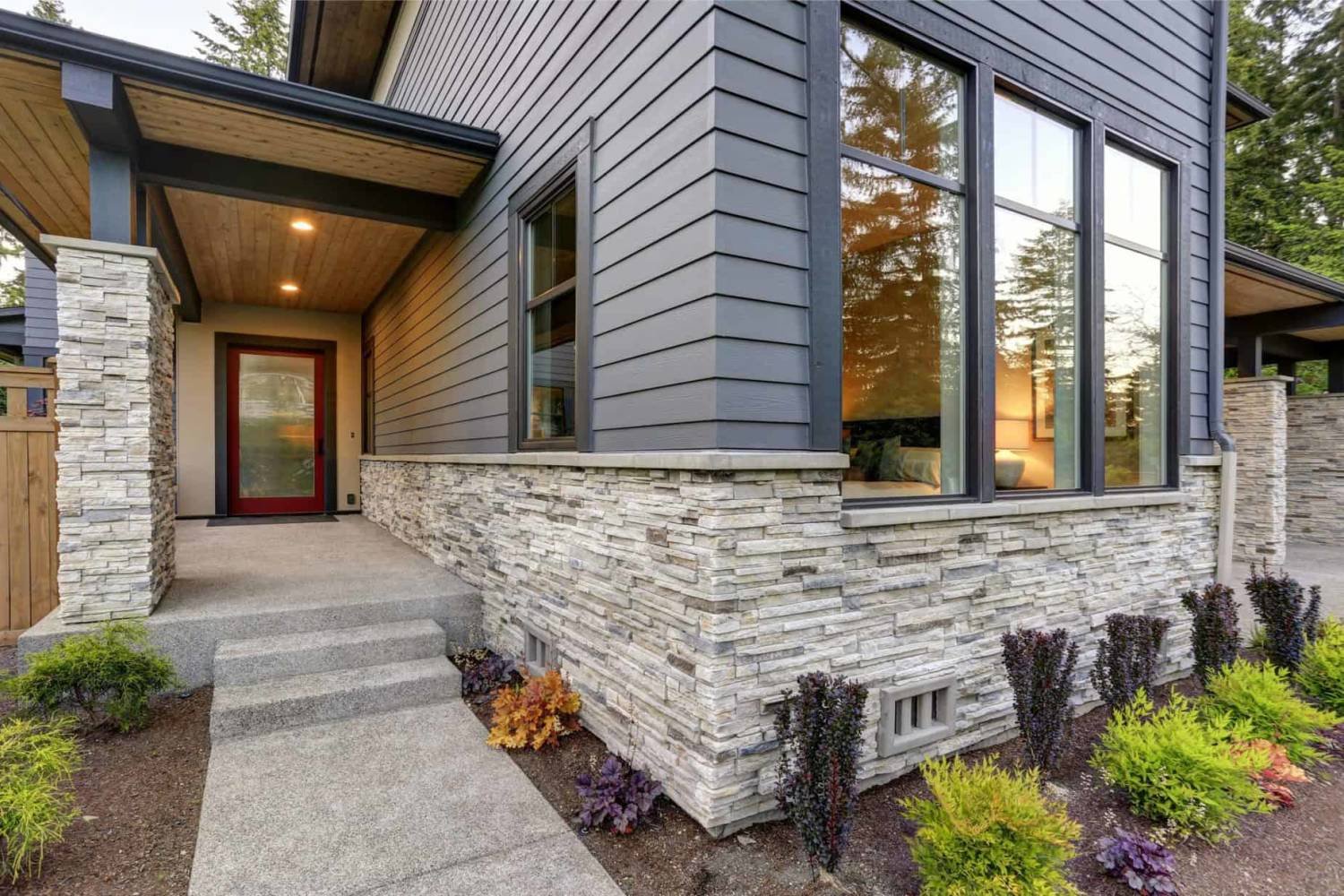
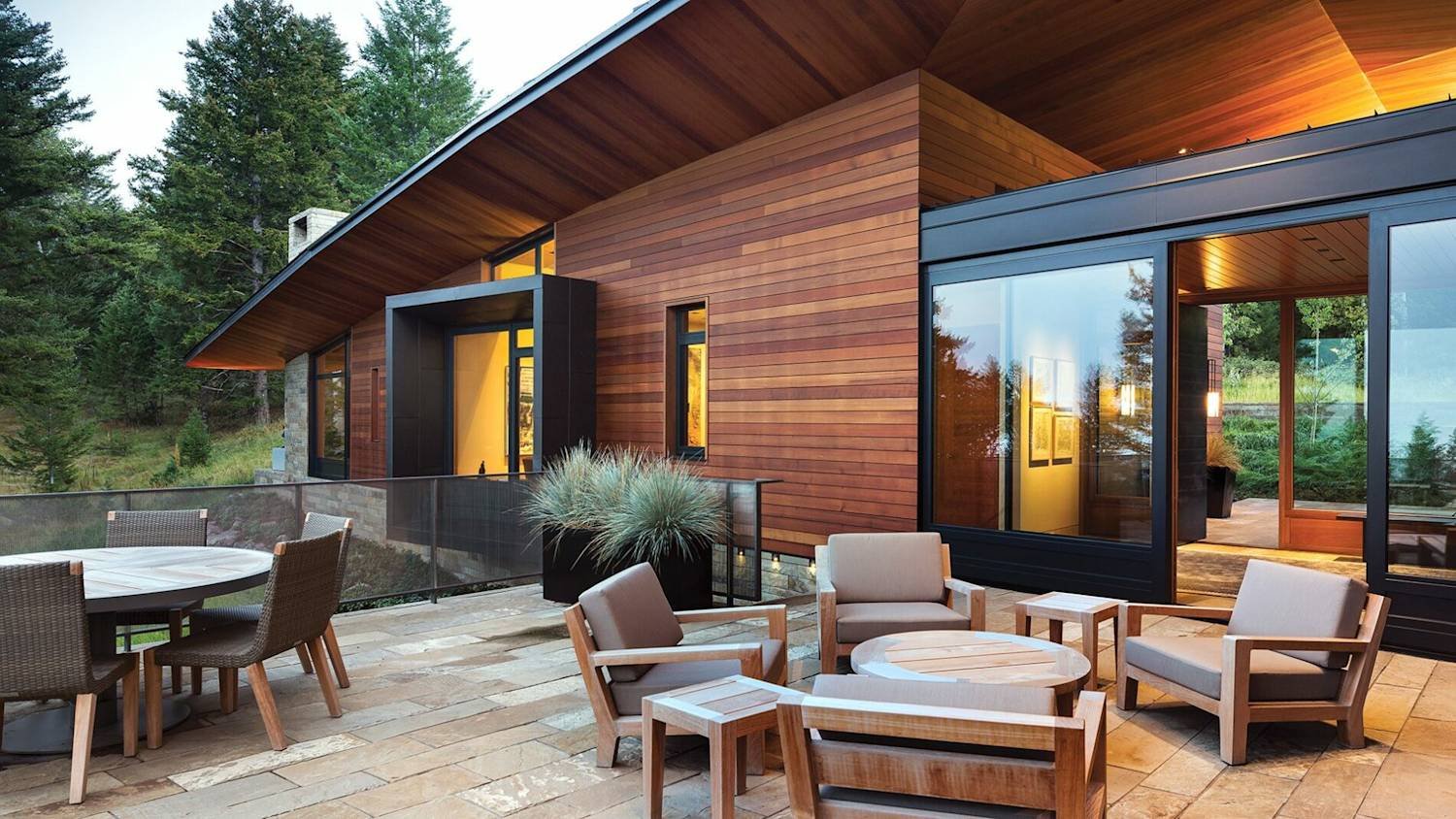
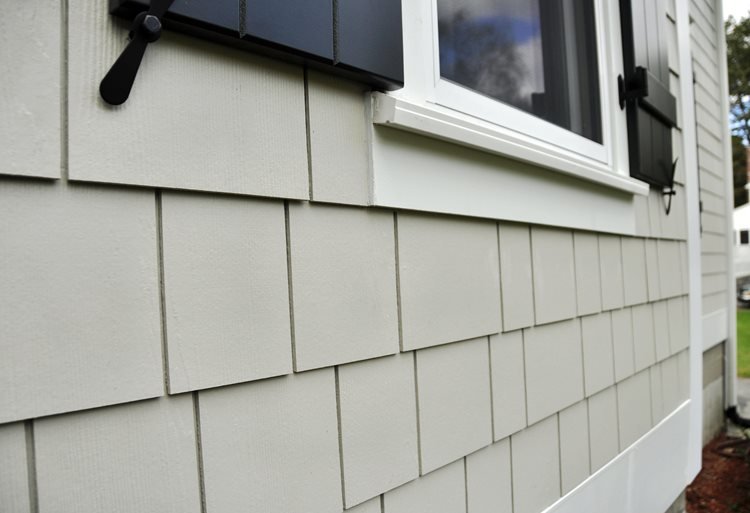
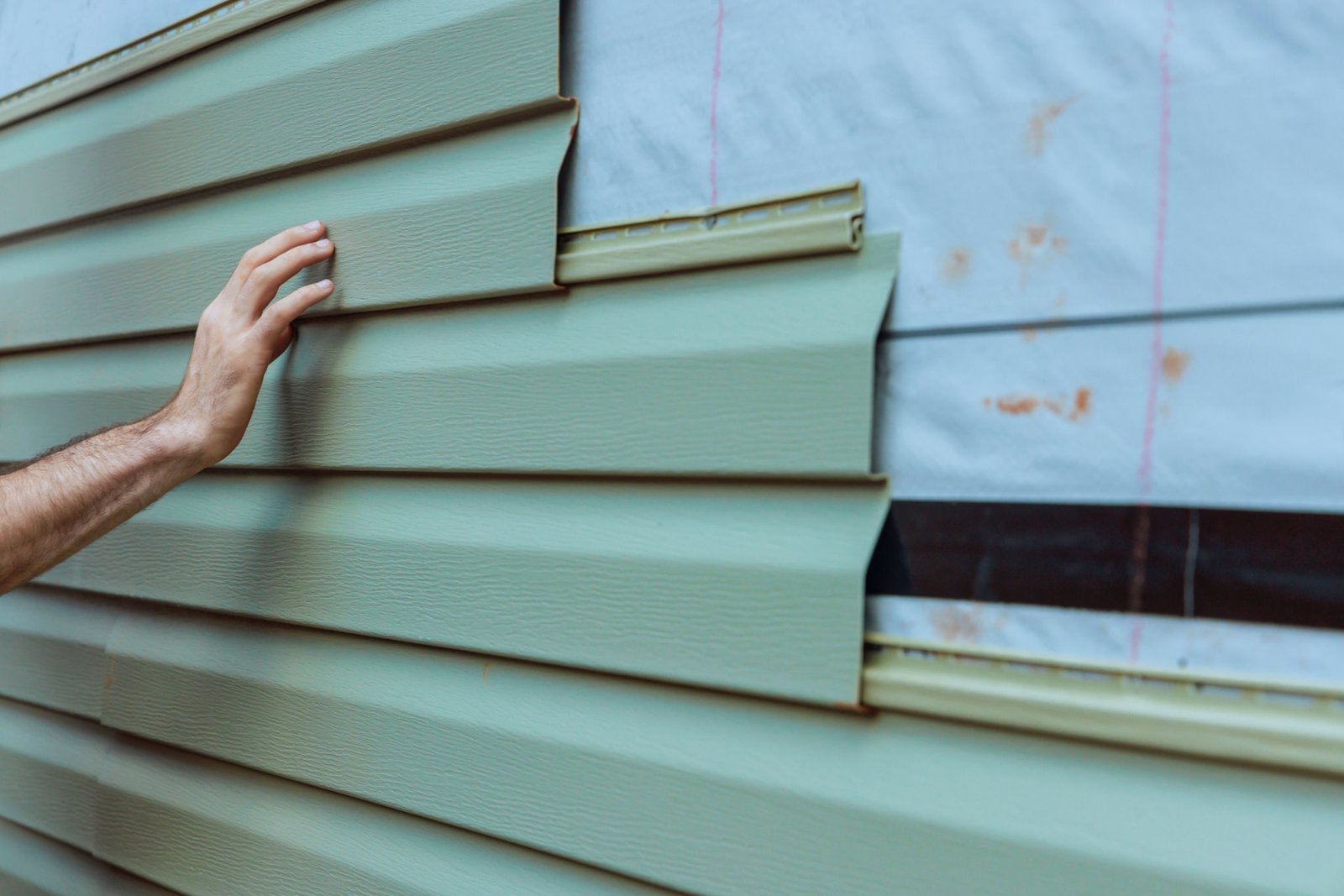
Siding is the exterior cladding installed over a home’s structural walls. It shields the underlying framing and insulation from weather exposure while contributing to energy efficiency and architectural style.
Modern siding materials are engineered to resist fading, warping, moisture intrusion, and impact damage. When installed correctly, siding creates a continuous, weather resistant envelope around the home.
Why Siding Is Important
Proper siding protects more than just the appearance of your home. It helps:
Prevent water intrusion and structural rot
Improve energy efficiency and indoor comfort
Protect against insects and pests
Reduce exterior maintenance needs
Increase property value and visual appeal
Damaged or aging siding can allow moisture behind the walls, leading to mold, rot, and costly structural repairs.
When to Call for Siding Services
Cracked, warped, or loose siding panels
Cracks, warping, or panels pulling away from the home allow wind driven rain and moisture to reach the underlying structure. Over time, this can lead to rot, mold growth, and compromised insulation behind the siding.
Peeling paint or bubbling on siding surfaces
Paint failure or bubbling often indicates trapped moisture beneath the surface. This is a common warning sign that the siding or moisture barrier is no longer functioning properly and should be inspected before damage spreads.
Fading, discoloration, or uneven appearance
Excessive fading or uneven coloration can signal material breakdown from UV exposure or age. While this affects appearance, it can also indicate reduced durability and weather resistance.
Soft spots, rot, or spongy areas
Soft or spongy siding is a serious issue, often caused by prolonged moisture exposure. This typically means water has penetrated the siding system and may already be affecting the wall sheathing or framing beneath.
Higher energy bills or drafty interior walls
Damaged or outdated siding can compromise insulation and air sealing. If your home feels drafty or heating and cooling costs are rising, siding failure may be part of the problem.
Storm damage from wind, hail, or debris
Severe weather can crack panels, loosen fasteners, or tear siding sections free. Even minor storm damage can allow moisture intrusion if not repaired promptly.
Our Slate Roofing Process
1. Inspection and Assessment
We assess existing siding, moisture barriers, flashing, and underlying structure to identify issues and risks.
2. Planning and Material Selection
We help you select the appropriate siding material, profile, and color for your home.
3. Removal and Preparation
Old siding is removed as needed, and the wall surface is inspected and prepared to ensure proper installation.
4. Professional Installation
Siding is installed using manufacturer recommended techniques to allow for expansion, drainage, and ventilation.
5. Final Review and Cleanup
We perform a final walkthrough and leave the property clean and protected.
What to Expect From GC Morris
When you choose GC Morris Roofing and Contracting for siding services, you can expect:
Clear communication and honest recommendations
Quality materials and proper installation methods
Attention to moisture barriers and flashing details
Clean, organized job sites
Respect for your home and property
We treat siding as a protective system, not just an exterior finish.